Servicing and repair
A roof or siding wall in Massachusetts endures frost heave, ice dams, wind-driven rain, and seasonal heat and cold that tests materials every year. Maintenance and repair are inevitable. This page covers what catches problems early and when you should call a contractor.
The difference between repair and replacement matters. A few missing shingles or a small siding patch can keep a sound roof or wall sound for years. But if the substrate is failing — the wood underneath is rotting or the membrane is failing in multiple places — a repair is a bridge to the inevitable replacement, and it may be cheaper to do the job once.
What the numbers tell us
- 12
- The age at which most asphalt shingle roofs begin to show wear. After 15–20 years they commonly start to lose granules and curl. Ice dam cycles accelerate the aging; a roof in a snow pocket may fail at 12 years.
- 20
- The typical span of a vinyl siding installation under normal maintenance. Ultraviolet light and freeze-thaw cycles are slower on siding than on roofs, but they still happen. Color fading appears first, usually after 8–10 years.
- 5
- How often we recommend a professional roof inspection in Massachusetts, particularly if the house sits in a wind tunnel or under tall trees. Twice a year — spring and fall — a homeowner can look for obvious problems from the ground.
- 2
- The number of independent contractors we recommend talking to before you sign a repair agreement. You are not shopping on price alone; you want to know how each one sees the problem and what they propose to do about it.
Gutter maintenance matters more than it appears
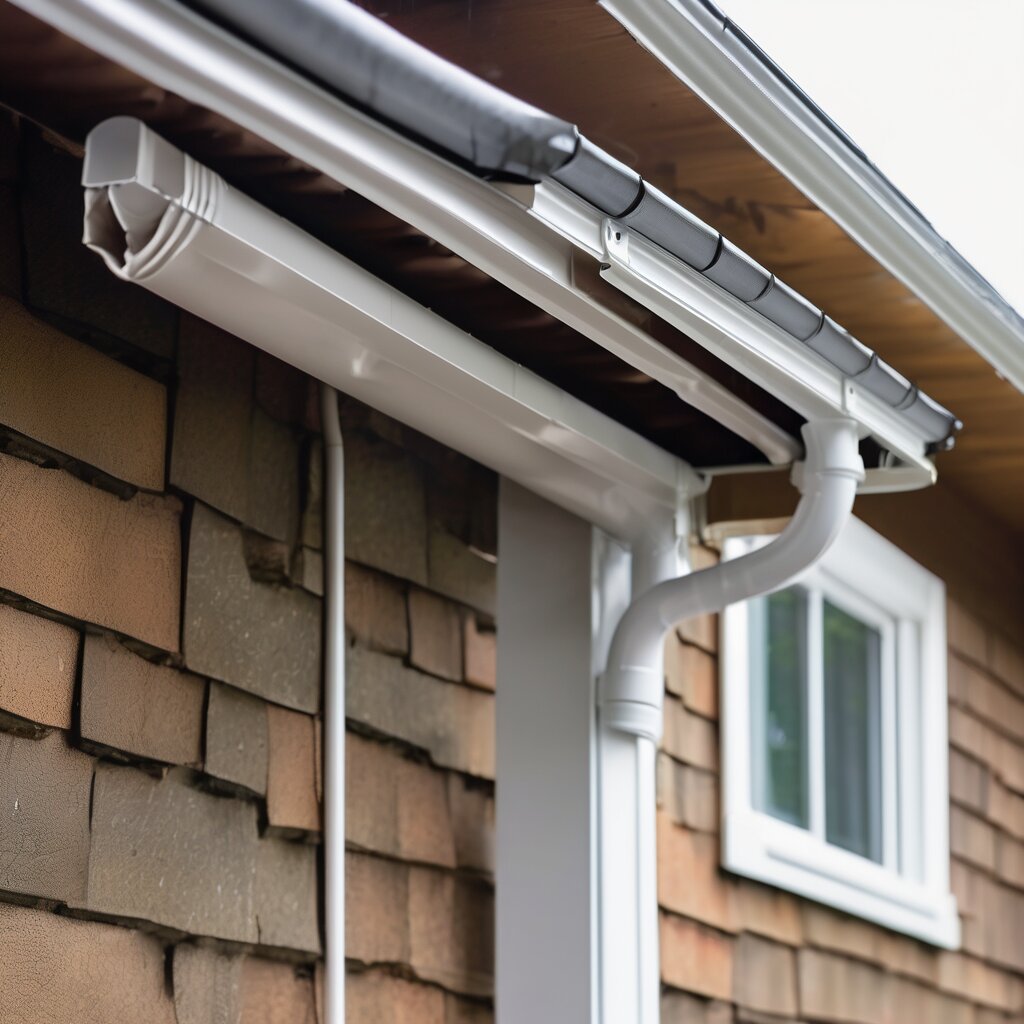
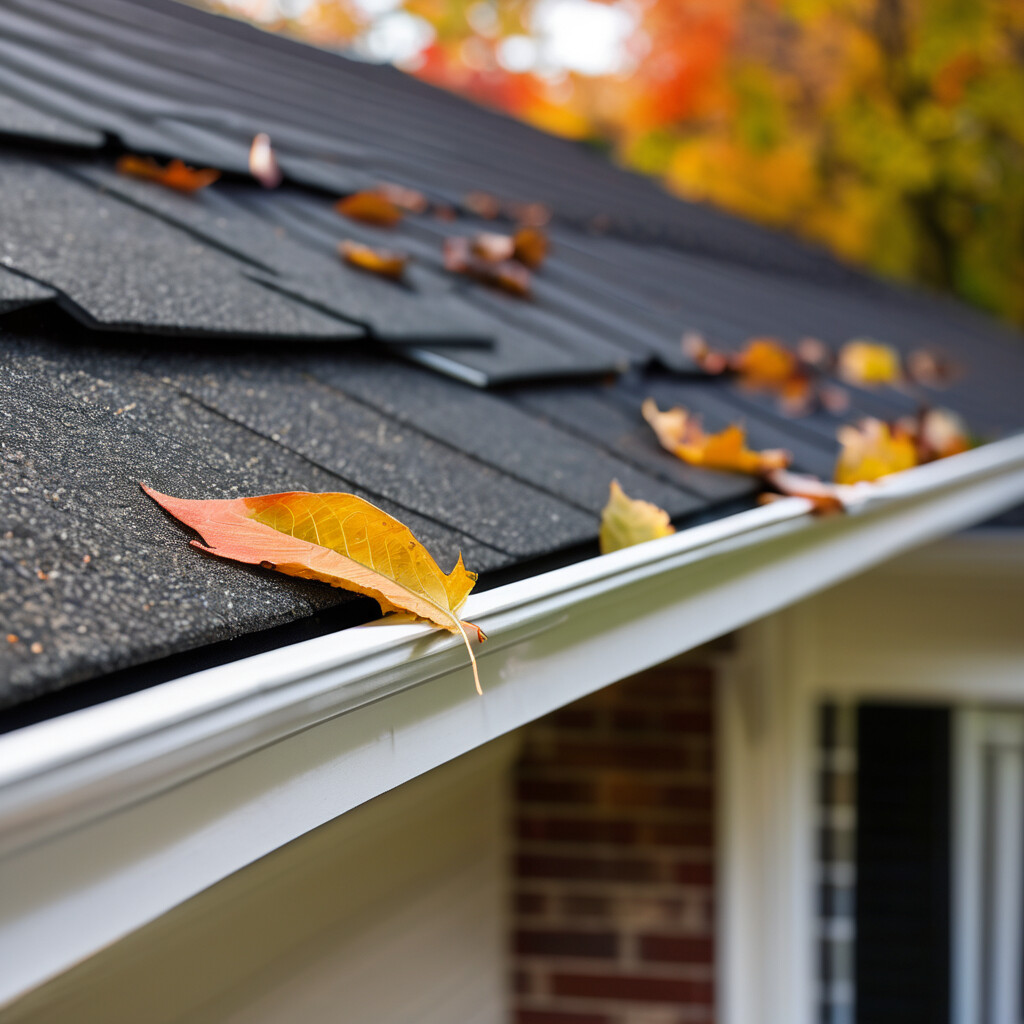
Gutters are the first line of defense against water damage to framing, siding, and foundation. Debris accumulation — leaves, twigs, granules from shingles — creates a dam that backs water up under the roof edge or down behind the siding. Professional gutter systems with proper slope and secure fasteners carry water away cleanly. If your gutters are sagging, pulling away from the fascia, or spilling water past the downspout, repair or replacement is worth the money. A gutter failure can cost far more to fix later.
Professional inspection separates repair from replacement
A contractor trained in roof and siding assessment can see problems a homeowner cannot from the ground or a ladder. They bring moisture meters, thermal imaging, and knowledge of how water travels. The cost of an inspection — usually $150–300 — is trivial compared to the cost of a guess that turns out to be wrong. When you have the report in hand, you have a clear picture of whether the job is a patch or a new roof, a sealing job or new siding.