Understanding Roof and Siding Warranties
What you are actually covered for
A warranty is a promise, but you need to know what it promises. Too many homeowners discover after a problem shows up that their warranty did not cover it. The difference between a manufacturer's warranty on materials and a contractor's warranty on workmanship can cost you thousands in an emergency.
A 30-year shingle warranty does not mean your roof lasts 30 years. It means if the shingle fails, the manufacturer replaces the shingle—and charges you for labor and everything else that came with it.
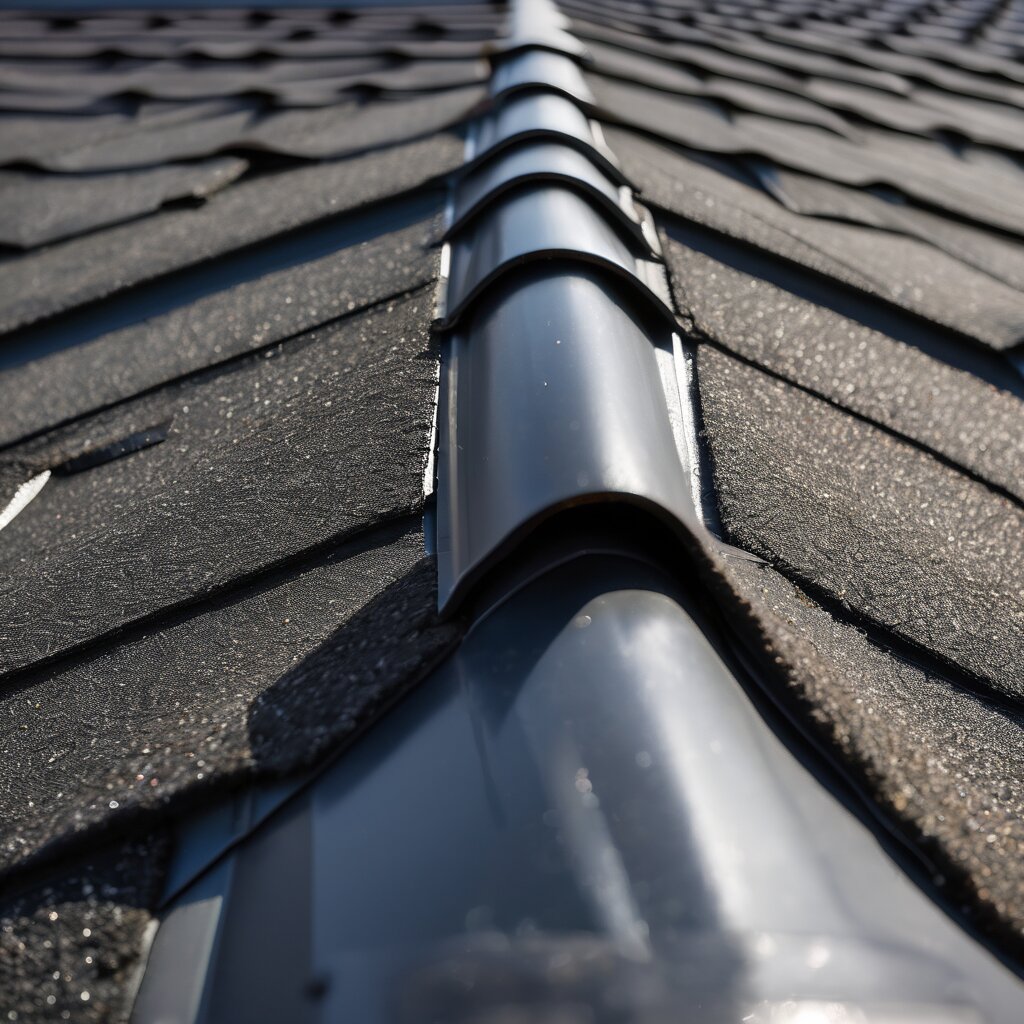
Numbers that matter in a warranty conversation
These figures should anchor every warranty conversation. A manufacturer's warranty on asphalt shingles tells you how long they will cover the material itself—the shingles—not the roof as a system. A contractor's labor warranty is separate and typically much shorter. The catch: one contractor might warranty labor for two years, another for ten. And one is not inherently better than the other if the two-year contractor stands behind their work by returning quickly when called.
The most important number is how much of the warranty is pro-rated after the first decade. A 30-year manufacturer's warranty often covers 100 percent replacement in years 1–10, then slides down to 50 percent at year 15 and 10 percent at year 25. At year 26, you are paying nearly full price for a "replacement" that costs them almost nothing to provide. Read the pro-rata schedule before accepting a warranty length as a selling point.
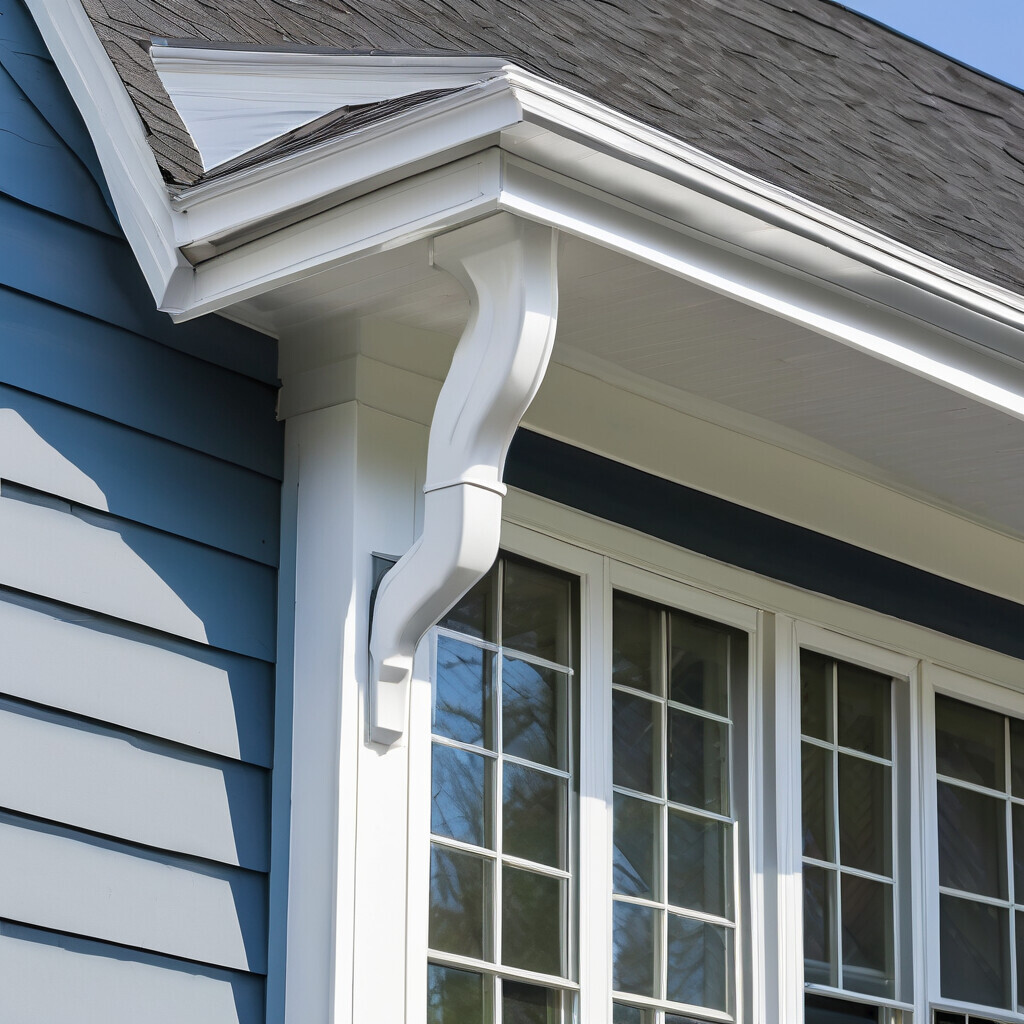
What warranty questions mean
When you ask a contractor "what is your warranty?", you are really asking several questions at once. Does the manufacturer cover the materials if they fail? Does the contractor cover their labor if they mess up? What voids the warranty—storms, ice dams, deferred maintenance? A one-page warranty is not the same as no warranty at all, but you have to read what you are getting.
Ask to see the warranty in writing before you sign. Ask what is covered and what is not. Ask what you have to do to keep it valid—some warranties require annual maintenance or professional inspections. A contractor who hesitates to show you the warranty or change the terms is not one to hire.
Massachusetts weather voids warranties faster than anywhere else. Ice dams, wind, salt spray and freeze-thaw cycles all damage roofing and siding. A warranty written for North Carolina will not protect you here. A good contractor knows this and builds their recommendations around it. Specifically, ask if your warranty covers ice dam damage, wind damage above a certain mph threshold, and salt-spray corrosion—or if these are all carved out as "acts of nature" for which the manufacturer accepts no responsibility. In Massachusetts, that carved-out list can make a warranty nearly worthless.